
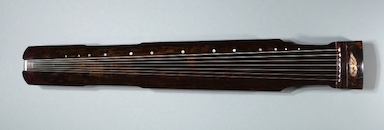
The Chinese had fashioned an instrument called the “ke” which had strings strung over a movable bridge on a wooden box that could be plucked to produce various tones
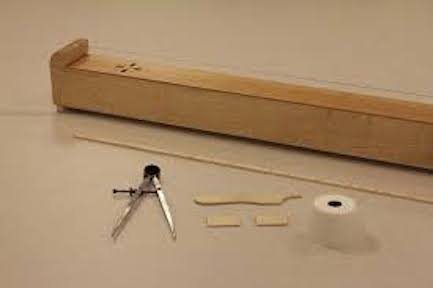
Pythagóras began experimenting with musical sounds and mathematics, inventing the Monochord.

A movable bridge was added to the Monochord allowing for more intonation.
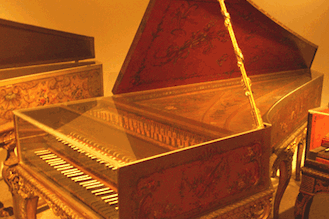
Improvements made to the clavicytherium led to the invention of the clavichord once additional strings were added and pins were fastened to the clavis (keys) allowed for pressure to vibrate the strings

Clavichord changes were made to assign individual keys to strings for easier playing and to add a cloth between strings acting as a damper.